Search Product
Your Cart
Add Rs.300.00 to cart and get free shipping!
Your shopping bag is currently empty
Continue Shopping




Sunscreen 101: Apply, Reapply & Remove SPF The Right Way
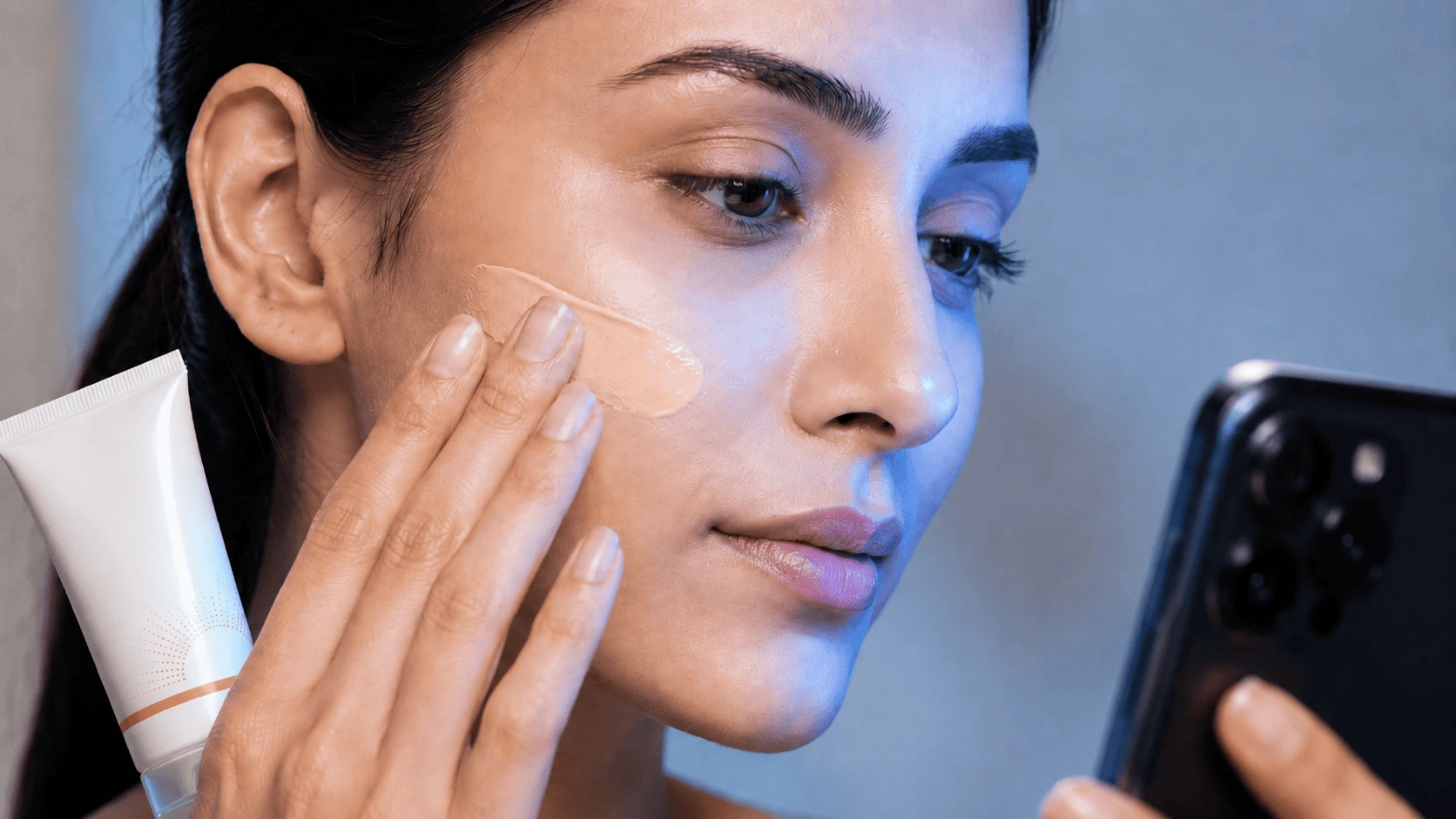
Sunscreen is one of the most important steps in any skincare routine. It helps protect the skin from UV damage, premature ageing, tanning, sunburn, dark spots, and uneven skin tone. But using sunscreen is not just about applying it once in the morning. The way it is applied, reapplied, and removed makes a big difference.
Many people use too little sunscreen or miss important areas like the ears, neck, eyelids, and hairline. This means the skin may not get the full level of protection mentioned on the product label.
Here is a simple guide to applying, reapplying, and removing sunscreen the right way.
In This Article
- How much sunscreen to apply
- The two-finger sunscreen rule
- Areas people often forget
- Why sunscreen is important
- How to reapply SPF during the day
- How to remove sunscreen properly
- Common sunscreen mistakes
- FAQs
How To Apply Sunscreen Correctly
To get the protection mentioned on your sunscreen bottle, you need to apply enough product. A very thin layer may not give proper coverage.
One of the easiest methods is the two-finger rule.
Squeeze two even lines of sunscreen along your index and middle fingers. This amount is usually suitable for the face and neck.
Apply sunscreen evenly across:
- Face
- Neck
- Ears
- Hairline
- Eyelids
- Around the nose
- Back of the neck
- Jawline
If you are applying sunscreen to your body, use a generous amount and spread it evenly. For beach days or outdoor activities, the body needs much more sunscreen than the face.
When Should Sunscreen Be Applied?
Sunscreen should be the final step of your morning skincare routine.
The correct order is:
- Cleanser
- Toner or essence
- Serum
- Moisturiser
- Sunscreen
Apply sunscreen around 15 to 20 minutes before going outdoors. This gives the formula time to settle properly on the skin.
Why Sunscreen Is Worth The Effort
Sunscreen is not only for preventing a tan. Daily SPF use can help protect the skin from long-term damage.
1. Helps Prevent Premature Ageing
UV rays can break down collagen and elastin in the skin. This may lead to early fine lines, wrinkles, sagging, and rough texture. Sunscreen helps reduce this damage.
2. Helps Prevent Dark Spots
Sun exposure can make dark spots, acne marks, and pigmentation look worse. Using sunscreen daily helps protect the skin from further darkening.
3. Helps Maintain Even Skin Tone
A consistent sunscreen routine can help keep the skin looking brighter, smoother, and more even over time.
4. Helps Reduce Sunburn And Redness
Sunscreen protects the skin from UV rays that can cause burning, redness, irritation, and sensitivity.
5. Supports Active Skincare Routines
If you use ingredients like retinol, vitamin C, AHAs, BHAs, or brightening serums, sunscreen becomes even more important. These ingredients can make the skin more sensitive to sun exposure.
How To Reapply Sunscreen
Applying sunscreen once in the morning is not always enough. SPF can wear off due to sweat, oil, touching the face, water, and sun exposure.
A simple rule is to reapply sunscreen every 2 hours when outdoors.
Reapply more often if you are:
- Sweating
- Swimming
- Exercising
- Towel drying
- Spending long hours outside
- Sitting near strong sunlight or windows
How To Reapply Sunscreen Over Makeup
Reapplying SPF over makeup can feel difficult, but there are easy options.
Sunscreen Mist
A sunscreen mist is useful for quick touch-ups. Hold it a few inches away from the face and spray evenly. Avoid inhaling the product and keep the eyes closed.
Sunscreen Stick
A sunscreen stick is easy to carry and works well for areas like the cheeks, nose, forehead, and jawline. Tap or glide gently without disturbing makeup too much.
SPF Powder
SPF powder is helpful for oily skin because it can reduce shine while adding extra sun protection. It is best used as a top-up, not as the only sunscreen.
Lightweight Sunscreen Gel
If you are not wearing heavy makeup, a lightweight gel sunscreen can be gently applied again using clean hands.
How To Remove Sunscreen Properly
Sunscreen is designed to stay on the skin. Some formulas, especially water-resistant or mineral sunscreens, may not come off completely with only water.
This is why proper cleansing at night is important.
The Double Cleanse Method
Step 1: Use An Oil-Based Cleanser
Start with a cleansing balm, cleansing oil, or micellar water. This helps break down sunscreen, makeup, excess oil, and waterproof formulas.
Step 2: Use A Water-Based Cleanser
Follow with a gentle gel, cream, or foaming face wash. This removes leftover residue, sweat, and impurities.
Double cleansing can help prevent clogged pores, dullness, and sunscreen buildup.
Common Sunscreen Mistakes To Avoid
1. Applying Too Little
A tiny amount of sunscreen is not enough. Use the two-finger rule for the face and neck.
2. Mixing Sunscreen With Moisturiser
Do not mix sunscreen into moisturiser. This can reduce even coverage. Apply moisturiser first, let it settle, then apply sunscreen on top.
3. Forgetting The Neck And Ears
The neck, ears, and hairline are commonly missed areas. These areas also need daily protection.
4. Relying Only On Makeup With SPF
Foundation or powder with SPF is not enough on its own because most people do not apply enough makeup to get the listed SPF protection. Use a proper sunscreen first.
5. Using Expired Sunscreen
Expired sunscreen may not protect properly. If the texture, smell, or colour has changed, it is better to replace it.
6. Skipping Sunscreen On Cloudy Days
UV rays can still reach the skin on cloudy days. Sunscreen should be used daily, even when the weather does not look sunny.
7. Not Reapplying
Sunscreen wears off during the day. Reapplication is important, especially when outdoors.
8. Forgetting The Lips
Lips also need sun protection. Use a lip balm with SPF during the day.
Final Thoughts
Sunscreen works best when it is applied generously, reapplied regularly, and removed properly at the end of the day.
Use it as the final step of your morning skincare routine, remember the two-finger rule, cover often-missed areas, and reapply when needed. At night, cleanse well to remove SPF buildup and keep the skin fresh.
A good sunscreen routine is one of the simplest ways to protect your skin and maintain a healthy, even-looking complexion.
FAQs
How much sunscreen should be used on the face?
Use the two-finger rule. Apply two lines of sunscreen along your index and middle fingers for the face and neck.
Should sunscreen be applied before or after moisturiser?
Sunscreen should be applied after moisturiser. It should be the final step of your morning skincare routine.
Can body sunscreen be used on the face?
It can be used, but it may not always feel comfortable. Body sunscreens can be thicker, heavier, or more fragrant, which may not suit facial skin.
How often should sunscreen be reapplied?
Reapply every 2 hours when outdoors. Reapply sooner after sweating, swimming, or towel drying.
Can sunscreen be used at night?
No. Sunscreen is not needed at night. Use a night cream, moisturiser, or treatment product instead.
Does water-resistant sunscreen last all day?
No. Water-resistant sunscreen still needs to be reapplied, especially after swimming, sweating, or towel drying.
Why does sunscreen pill?
Sunscreen can pill when skincare layers do not blend well together, when too much product is applied, or when layers are not given enough time to settle.
Can sunscreen be used under makeup?
Yes. Apply sunscreen after moisturiser and before makeup. Let it settle for a few minutes before applying foundation or powder.
